

1min read • 6 months ago
AIM
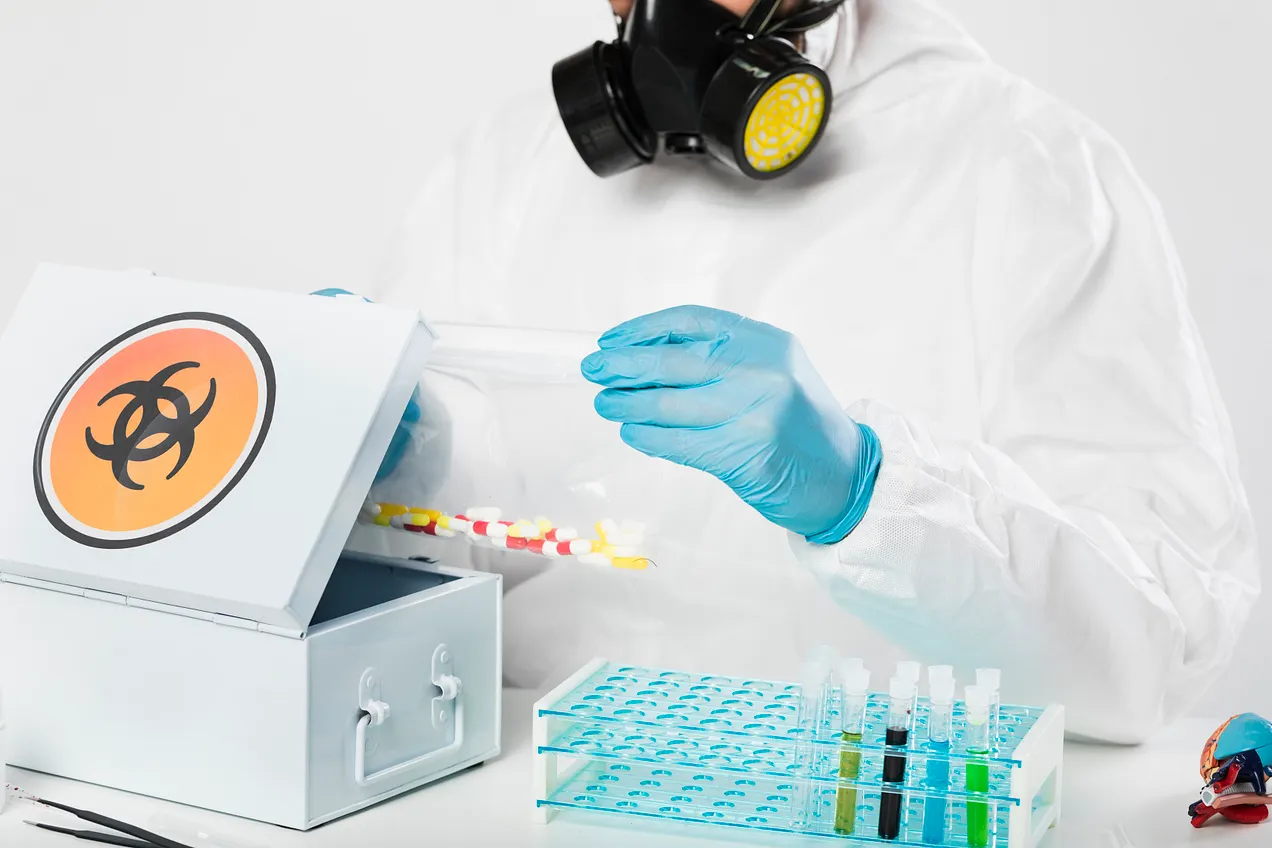
This article aims to explore the current realities of laboratory waste disposal within the Nigerian healthcare industry.
GIVEN
Laboratory waste management, Environmental health risks, Healthcare sanitation practices, Sustainability challenges, Public Health.
METHOD
Expository Essay
PRINCIPLE
In a prestigious teaching hospital in Nigeria, laboratory waste from pipette tips, gloves, to sample bottles is often collected but not immediately treated. Some of this waste, especially plastic containers and packaging that appear reusable or sellable, attracts scavengers seeking trash to cash items. While they are drawn by economic opportunity rather than the contents, they unknowingly risk carrying infectious materials back into communities. When incineration finally occurs, the volume of waste often overwhelms the system, leading to open burning and toxic emissions that threaten healthcare workers, students, and the public. This reveals a systemic gap so big even well-trained laboratory professionals cannot fully mitigate.
PROCEDURE
Laboratory waste management encompasses the collection, segregation, handling, treatment, and disposal of materials generated during medical testing. In the healthcare industry, this waste includes used pipette tips, gloves, sample bottles, blood tubes, urine and stool containers, tissue specimens, chemical reagents, and sharps with each category carrying its unique risks. Globally, proper laboratory waste
Read More