

5min read • 17 days ago
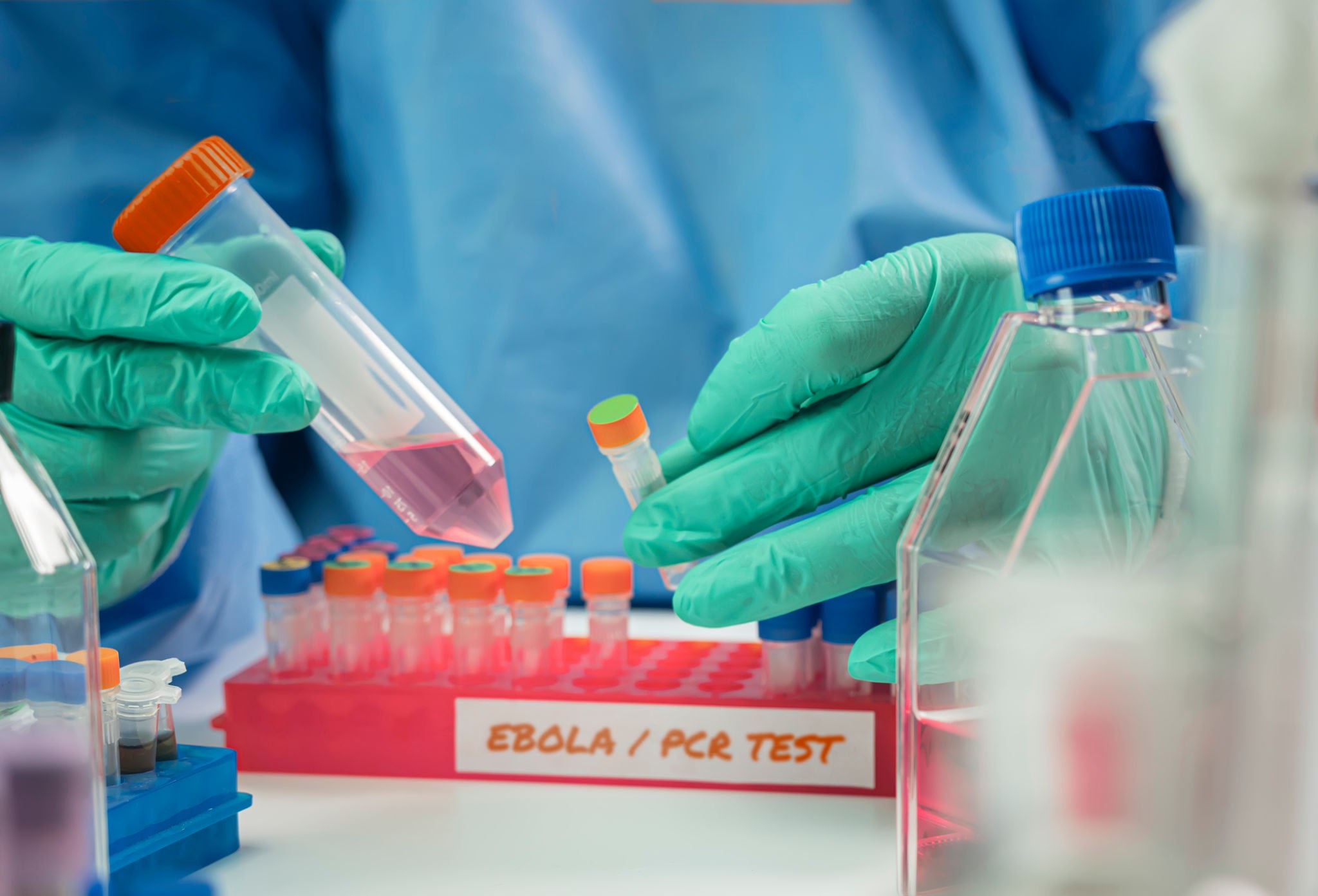
The Ebola Virus Disease (EVD) formerly known as Ebola hemorrhagic fever remains one of the world's most feared viral pathogens due to its high case fatality rate and dramatic clinical presentation. As medical laboratories and public health agencies stand on the front lines of defense, understanding the biology, historical context, diagnostic modalities, and containment strategies of this virus is vital for clinicians, laboratorians, and public health practitioners alike.
Ebola was first documented in 1976 during two simultaneous outbreaks: one in Nzara, Sudan, and the other in Yambuku, Democratic Republic of the Congo (then Zaire), situated near the Ebola River, which gave the pathogen its name.
The index case in the Zaire outbreak was a school headmaster who had traveled to an area close to the Central African Republic border and received injections with contaminated, reusable needles a primary catalyst for amplification during early outbreaks.
In October 2026, Nigeria confirmed its first imported case of the Bundibugyo Ebola strain in Abuja, marking its first infection in over a decade. The patient, who arrived from Uganda, prompted health officials to quickly identify and monitor 44 close contacts. This containment effort prevents a larger spread within Africa's most populous nation, amid a regional crisis that has already caused 4,646 deaths across the continent.
Ebola is not a DNA virus; it belongs to the family Filoviridae (filamentous viruses) and the genus Ebolavirus.
- Genetic Material: It contains a single-stranded, negative-sense RNA genome.
- Structure: The virion is notoriously pleomorphic, often appearing as "shepherd's crook," U-shaped, or circular filaments. Its single strand of RNA encodes seven structural proteins that facilitate rapid evasion of the host innate immune response, suppression of interferon signaling, and extensive vascular endothelial destruction.
- Species: There are six distinct species within the genus: Zaire ebolavirus, Sudan ebolavirus, Tai Forest ebolavirus, Reston ebolavirus, Bundibugyo ebolavirus, and Bombali ebolavirus. Among these, Zaire ebolavirus is the most lethal, responsible for the largest and most severe historical outbreaks.
Ebola is a zoonotic pathogen with fruit bats (family Pteropodidae) serving as the primary reservoir host. Spillover from wildlife to humans typically occurs through close contact with the blood, secretions, organs, or other bodily fluids of infected animals (such as chimpanzees, gorillas, fruit bats, and forest antelopes).
Once introduced into the human population, human-to-human transmission occurs via:
- Direct contact (through broken skin or mucous membranes) with blood, secretions, organs, or other bodily fluids of infected people.
- Indirect contact with environments and surfaces (such as bedding, clothing, or medical equipment) contaminated with these fluids.
- Traditional burial practices involving direct contact with the body of the deceased.
- Note: Ebola is not airborne; it is not transmitted through casual social contact, water, or food (outside of handling bushmeat).
While historical outbreaks were largely confined to remote Central African villages, the epidemiology shifted dramatically with the 2014–2016 West African epidemic (primarily affecting Guinea, Liberia, and Sierra Leone), which resulted in over 28,000 cases and 11,000 deaths.
More recent outbreaks include:
- The 2018–2020 Kivu Outbreak in the Democratic Republic of the Congo (DRC): The second-largest recorded outbreak in history, complicated by regional conflict and security challenges.
- Recent Sporadic Events: Outbreaks continue to emerge periodically in regions like the DRC, Uganda, and West Africa, demanding permanent, vigilant surveillance networks.
- Case Fatality Rate (CFR): Depending on the viral strain and the promptness of supportive care, case fatality rates have historically ranged from 25% to 90% (averaging around 50% globally across past outbreaks).
Laboratory diagnosis of EVD requires extreme biosafety protocols—typically Biosafety Level 4 (BSL-4) for virus isolation, though diagnostic assays can be safely performed in specially designated BSL-3 enhanced facilities using inactivated specimens.
Accurate, rapid laboratory confirmation is critical for patient triage, isolation, and treatment:
- Real-Time Reverse Transcription-Polymerase Chain Reaction (RT-PCR): The gold standard for acute diagnosis. RT-PCR detects viral RNA in blood, plasma, or oral swabs during the acute symptomatic phase when the viral load is high.
- Antigen-Capture Enzyme-Linked Immunosorbent Assay (ELISA): Detects Ebola proteins, serving as an effective alternative where molecular platforms are limited.
- Rapid Diagnostic Tests (RDTs): Antigen-detecting point-of-care lateral flow tests allow for rapid field triaging in remote outbreak zones.
- Serology (IgM and IgG Antibodies): Useful for retrospective epidemiological investigations or convalescent phase evaluation, though less valuable during the hyper-acute window.
- Routine Clinical Pathology: Laboratory monitoring typically reveals profound thrombocytopenia, leukopenia (followed by neutrophilia), elevated transaminases (AST/ALT), electrolyte imbalances, and coagulation abnormalities indicating Disseminated Intravascular Coagulation (DIC).
Mitigating the spread of Ebola requires a coordinated, multi-layered public health framework:
- Infection Prevention and Control (IPC): Rigorous barrier nursing, proper use of Personal Protective Equipment (PPE), hand hygiene, and safe disposal of biomedical waste in healthcare settings.
- Safe and Dignified Burials: Mitigating community transmission by ensuring mortuary practices avoid direct contact with infectious bodily fluids.
- Vaccination: Highly effective vaccines, such as the rVSV-ZEBOV vaccine, have been successfully deployed via "ring vaccination" strategies to protect frontline workers and close contacts of confirmed cases.
- Therapeutics: Modern monoclonal antibody treatments (e.g., mAb114 / Ansuvimab and REGN-EB3) have transformed EVD from a near-certain death sentence into a highly treatable condition when administered early in the course of infection.
- Surveillance and Contact Tracing: Rapid identification, isolation of suspected cases, and active monitoring of exposed contacts for 21 days (the maximum incubation period).
The Ebola virus exemplifies the ongoing challenge of zoonotic spillover events in global health. Through robust molecular diagnostic capabilities, stringent laboratory biosafety, modern vaccines, and advanced antiviral therapeutics, modern medicine is increasingly well-equipped to detect, contain, and treat outbreaks before they escalate into global crises.